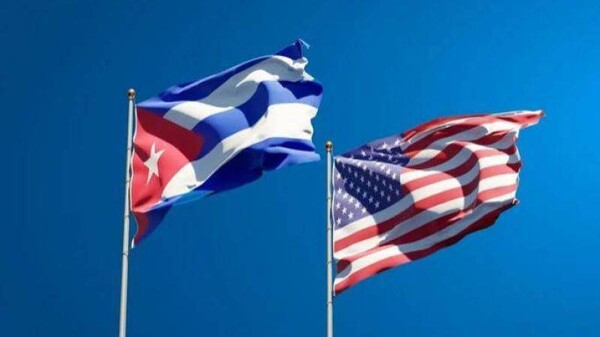
The Cuban government stated on Friday that it will face with «resolve» the decision by Washington to impose tariffs on countries that sell or supply oil to the island. Havana also emphasized that in the face of US economic pressure, «the decision is one: homeland or death».
In its statement, published a day after the White House executive order, the Cuban government said that the United States is mistaken in believing that «economic pressure» on the Caribbean country will cause «Cuba to fall». However, Havana expressed its willingness to maintain a «serious, responsible dialogue based on international law, sovereign equality, and mutual respect» with the United States, but without «interference in internal affairs».
In the same vein, the government stressed that the new measures by President Donald Trump will not break the «resolve to defend national sovereignty».
«The government of the United States has reached this point after 67 years of failing to subdue and destroy a genuine and legitimate political and revolutionary process of full sovereignty, social justice, and promotion of peace and solidarity with the rest of the world,» the note reads.
This is the first official declaration following the executive order announced on Thursday. Earlier on Friday, Cuban President Miguel Díaz-Canel underscored on X that «this new measure demonstrates the fascist, criminal, and genocidal nature of a clique that has hijacked the interests of the American people for purely personal motives».
He added that the decision was taken «under a false pretext devoid of arguments,» referring to the arguments contained in the executive order to declare a «national emergency» in the US, which led to the detention of that country's president, Nicolás Maduro.
The order also mentions Mexico, which supplied between 6,000 and 12,000 barrels daily last year, and other reasons why Cuba is supposedly a threat to US national security. These include Havana's alignment with Russia and other «malign actors,» hosting spy bases and «transnational terrorist groups,» the persecution and torture of political opponents, and the denial of human rights on the island.
The order concludes that «these actions constitute an unusual and extraordinary threat to the national security and foreign policy of the United States» and «require an immediate response to protect US citizens and interests».
Cuba without oil
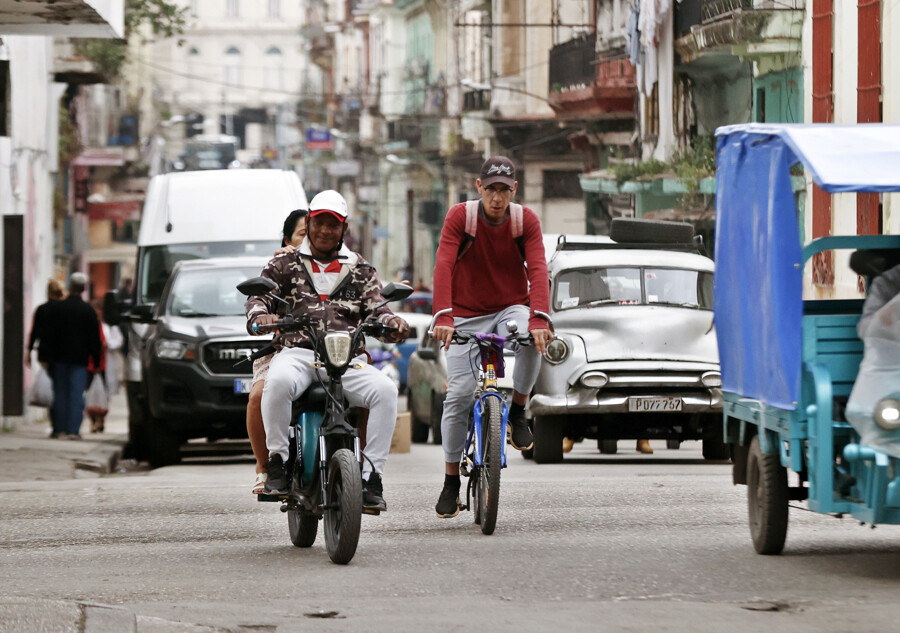
Washington's pressure will escalate in a country that was already suffering from a chronic fuel deficit—especially noticeable in daily, prolonged blackouts—due to a lack of foreign currency to import sufficient crude oil. According to various estimates and in the absence of official data, Cuba needs about 110,000 barrels of oil per day. Of this amount, around 40,000 comes from its domestic crude production (which is primarily used to feed thermoelectric plants). Its historical main supplier was Venezuela, which in 2025 supplied about 27,000 barrels daily, according to Reuters' tracking system (far less than the up to 100,000 daily it used to provide).