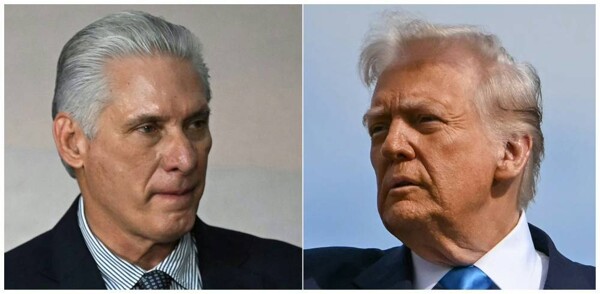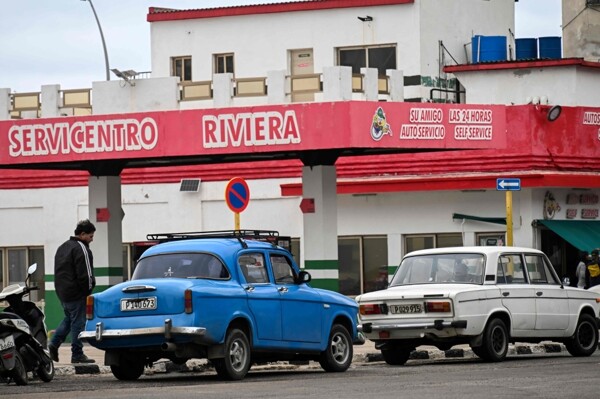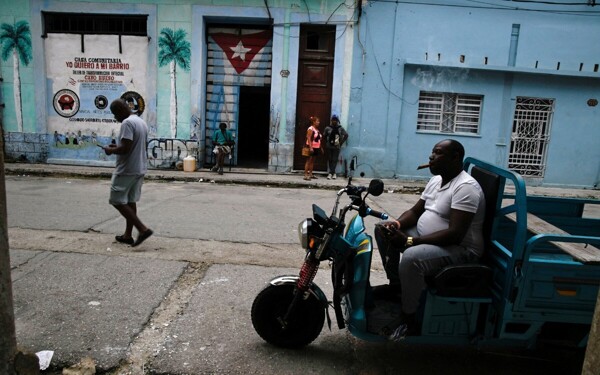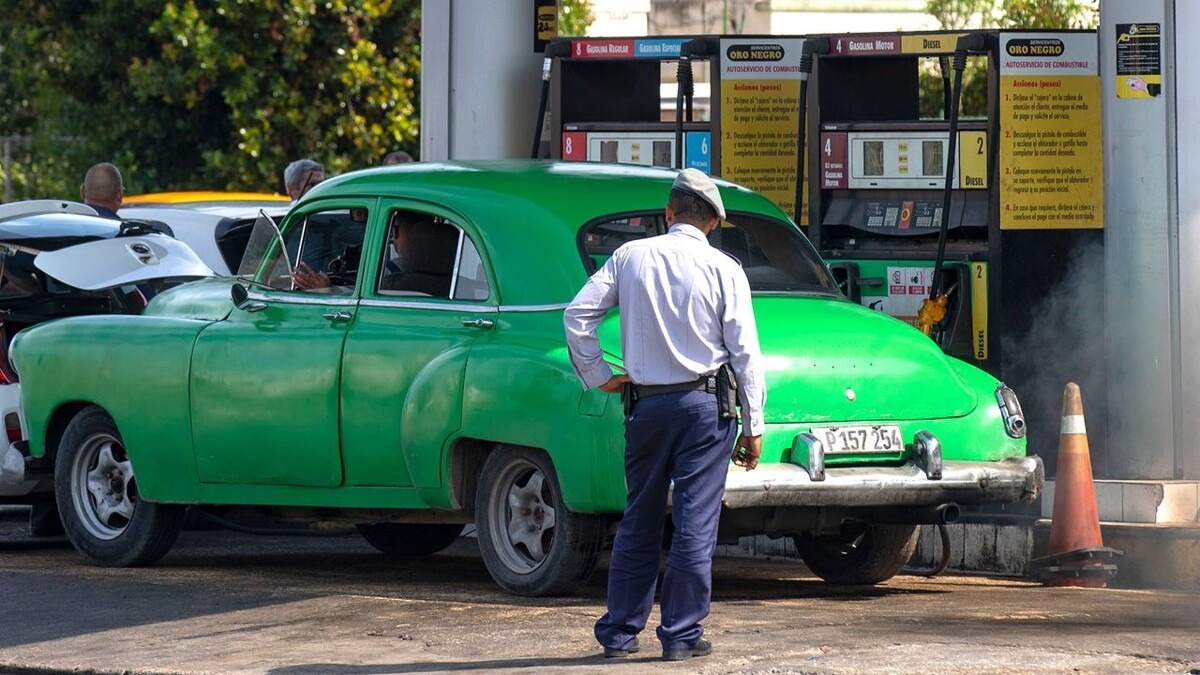
Cuba's energy system is heading towards a total paralysis within six to eight weeks if it fails to secure new oil or fuel supplies. This projection comes after recent sanctions announced by the United States against the island's crude oil suppliers, a measure that aggravates the structural dependence of a country that imports two-thirds of the energy it consumes and has lost its historical support from Venezuelan production following the capture of Nicolás Maduro. Jorge Piñón, an expert from the University of Texas Energy Institute, warns about the severity of the current situation and states that it is "very difficult to quantify" the exact breaking point, although the margin for maneuver is minimal. Fuel scarcity in Cuba is worsening. After the end of Soviet subsidies and the recent debacle of Venezuela's oil industry—which reduced its shipments from 100,000 to 27,000 barrels per day before Maduro's fall—the regime of Miguel Díaz-Canel is in extreme financial and technological isolation. With thermoelectric plants over 40 years old and a domestic production that only covers 40,000 of the 110,000 barrels per day needed, the island is on the brink of a total supply disruption similar to the 'Special Period' of the 90s. The analyst emphasizes the availability of diesel, an input that represents 20% of national demand and is vital for basic societal functioning. According to what Agencia Noticias Argentinas was able to ascertain, the lack of this specific fuel would have cross-cutting consequences for Cuba's economy and daily life. In this regard, Piñón details that 'the impact would be catastrophic, as diesel is used for passenger and cargo transport, railways, agriculture (tractors), industry, and as fuel for the water distribution system, as well as for distributed generation'. The current crisis is the culmination of six decades of a centralized economic model that never achieved self-sufficiency.