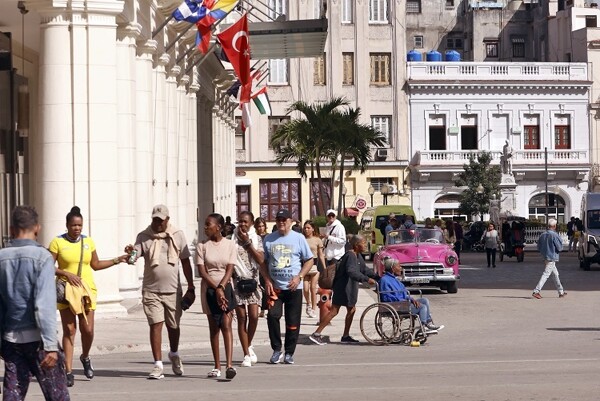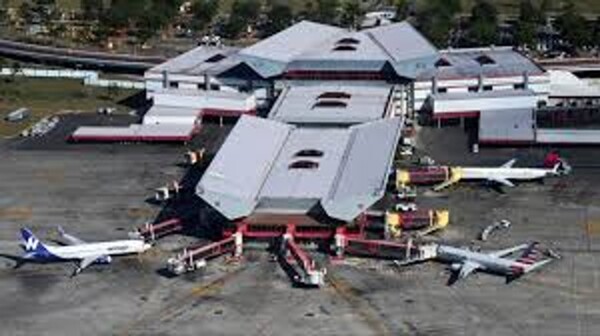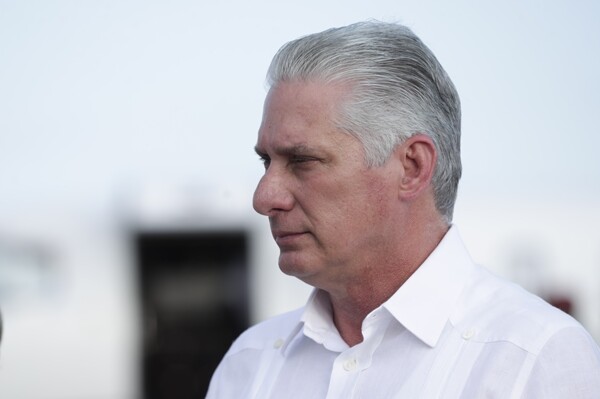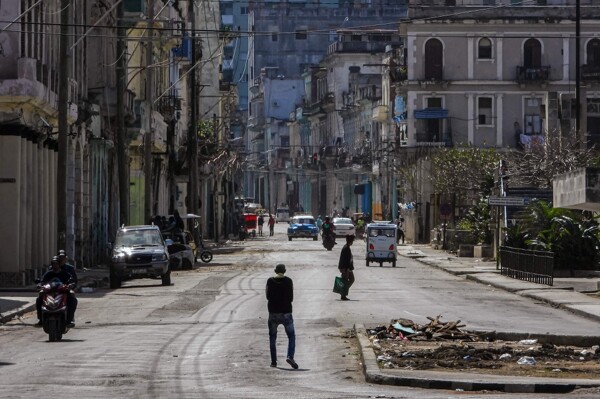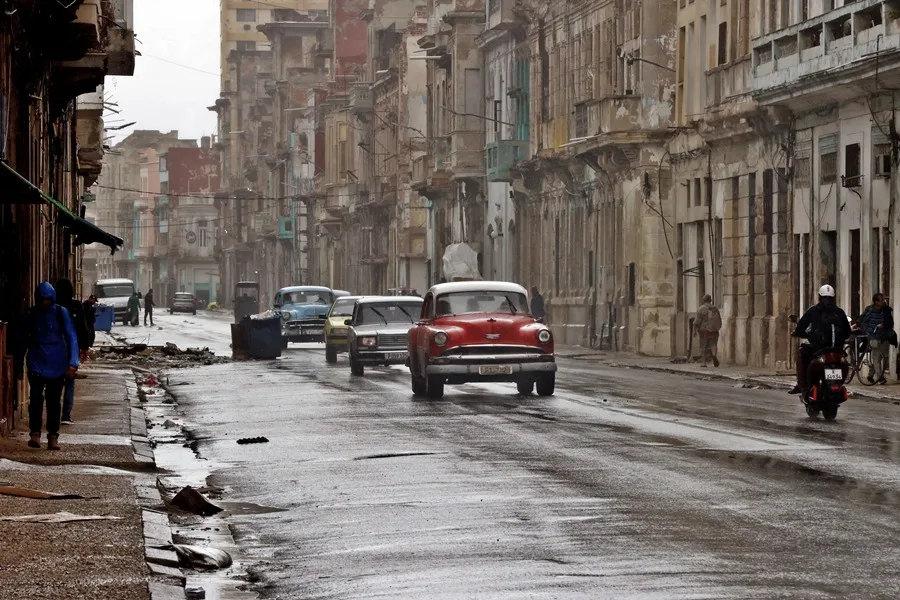
The Cuban government faces the threat of an acute fuel shortage on the island, which is in this situation just over a month after the capture of Venezuelan President Nicolás Maduro. In an unusual televised press conference on February 5, Cuban President Miguel Díaz-Canel acknowledged that the energy situation is 'complex' and that after the tap from Caracas was turned off, Cubans are going to 'live through difficult times (...), very difficult times.' And it's no wonder. On the one hand, the island has not received fuel from abroad since last December. Likewise, two-thirds of the fuel the country needs must be imported. In this regard, Díaz-Canel acknowledged two points that reveal the acuteness of the crisis. He simply assured that Havana will not 'renounce receiving fuel' from abroad and that it is 'making all the necessary arrangements for the country to have fuel imports again.'
'This is completely suffocating us,' he added. He emphasized that U.S. measures will 'affect the transportation of food, the production of food, public transportation, the functioning of hospitals, of all kinds of institutions, of schools, the production of the economy, tourism...'. In that scenario, the head of state added that the Government has adopted a series of emergency measures that take as a reference the 'guidelines' of former President Fidel Castro during the so-called Special Period, the depression that the island suffered from the fall of the Soviet bloc. Díaz-Canel revived the concept of the 'zero option,' a survival plan for a scenario of 'zero imported oil' that involved extreme rationing, food self-sufficiency, the use of animal traction, charcoal for cooking, and non-motorized transportation, among other measures. 'Some of those measures are also contemplated (and updated because there are different situations in these directives),' the head of state added.