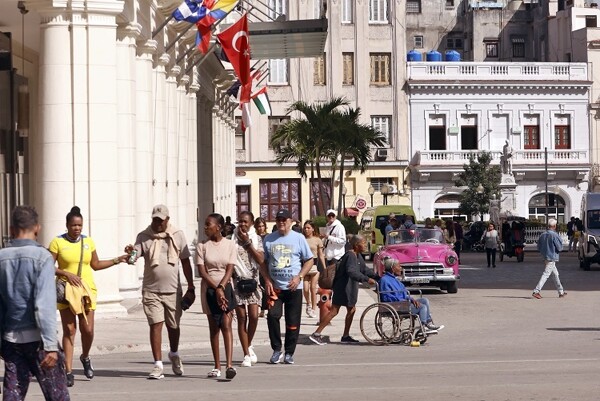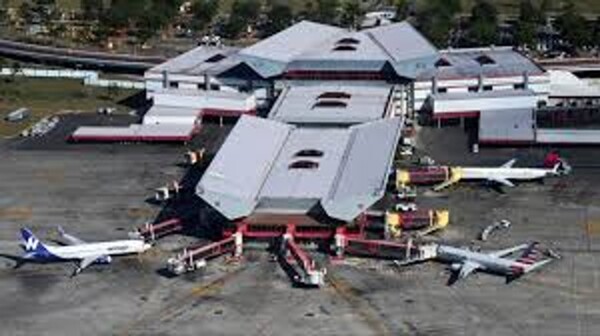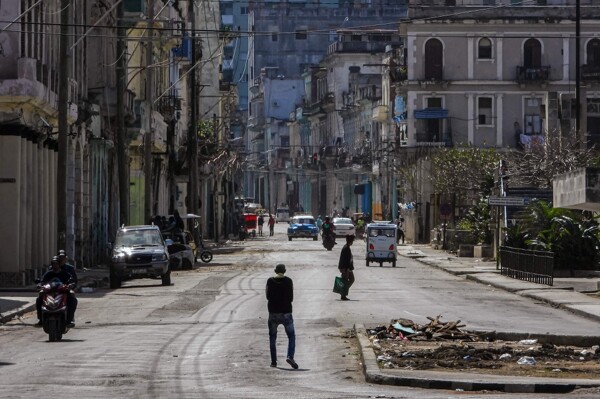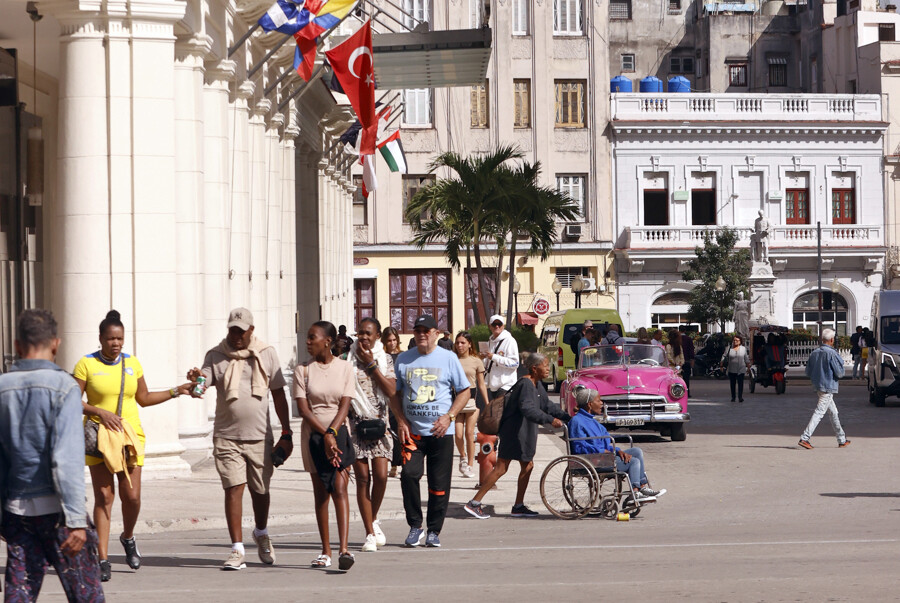
The Cuban government announced emergency measures on Friday, February 7, to address the fuel crisis caused by the U.S. blockade. The plan includes rationing fuel, prioritizing telework, and implementing hybrid learning models in universities. These measures, approved at an extraordinary Council of Ministers meeting, aim to guarantee the 'vitality of fundamental services' and key economic activities, especially tourism, which generates foreign currency. The government will also facilitate private companies importing their own fuel and will distribute solar panels to essential workers. These steps echo the 'zero option' survival plan from the 1990s, which involved extreme rationing and a shift to non-motorized transport. The fuel shortage will also affect workplaces, universities, and passenger travel, with trains facing the most immediate and severe disruptions.