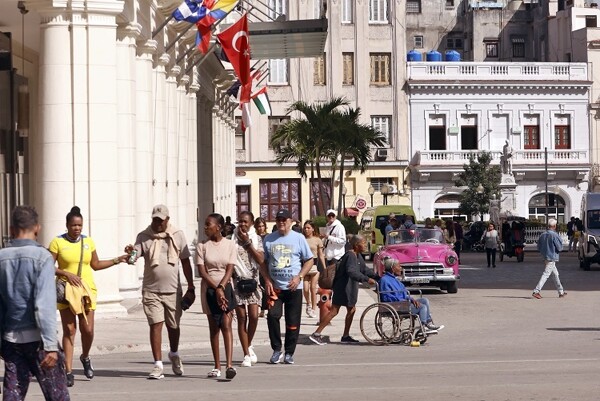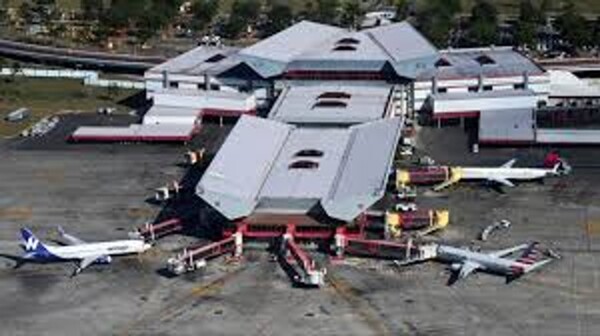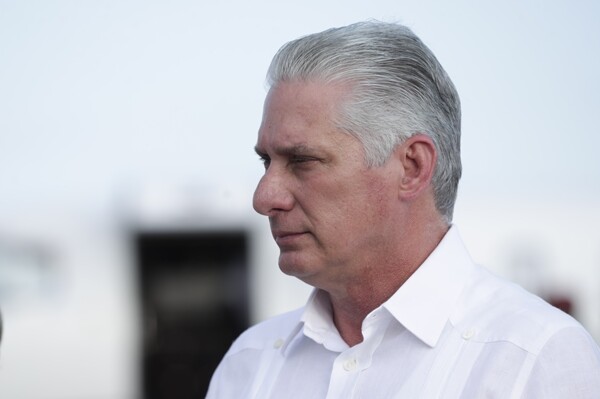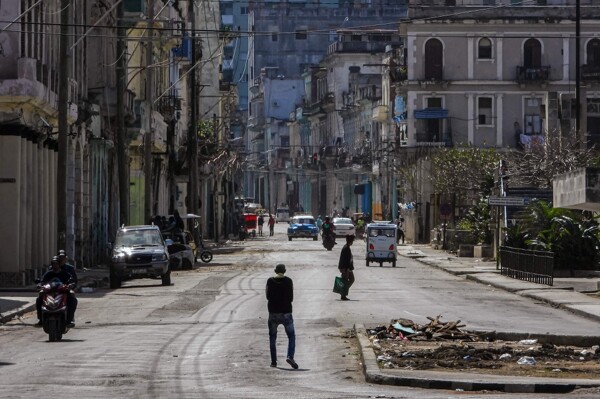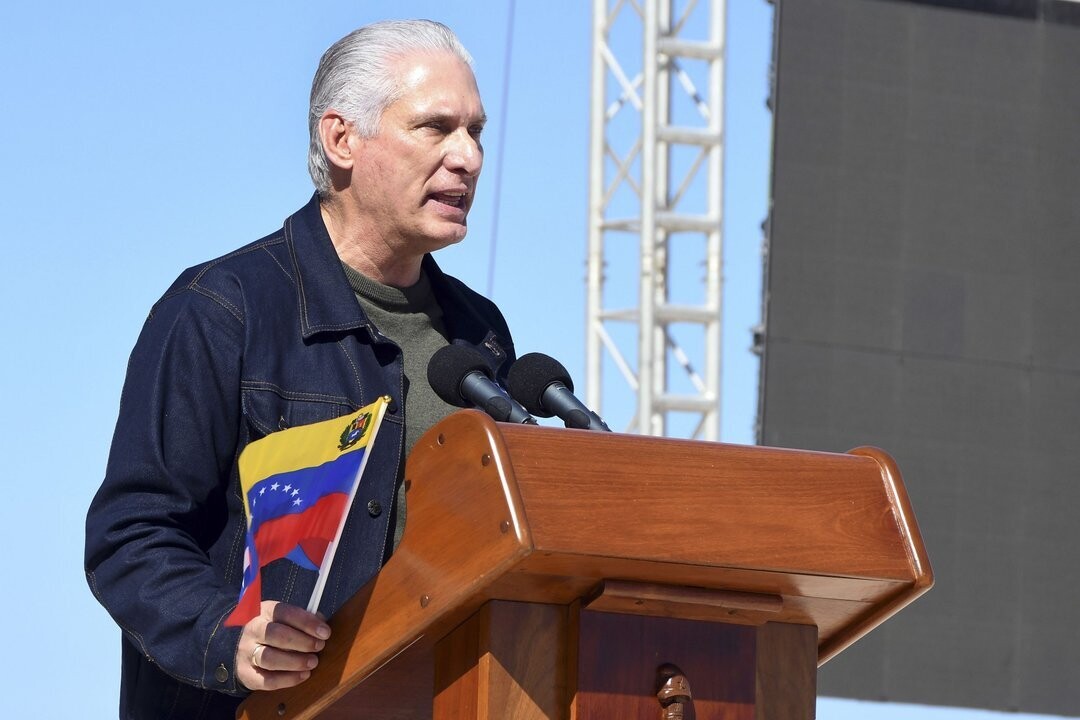
The Cuban government announced a package of measures to guarantee essential services due to the tightening of the US economic blockade, which intensified the persecution of fuel supplies to the island. Vice Prime Minister Oscar Pérez-Oliva Fraga explained that the plan prioritizes indispensable activities and accelerates the use of renewable energy. Pérez-Oliva Fraga, who is also Minister of Foreign Trade and Foreign Investment, indicated that the available fuel will be mainly allocated to electricity supply, hospitals and water, national defense, and key sectors for obtaining foreign currency, while immediate restrictions will be implemented on the sale of fuel to the population. Meanwhile, the frequency of national trains and buses will be reduced, urban routes will be reorganized, and the transport of cargo, students, medical personnel, and vital economic activities will be prioritized. The administration of Miguel Díaz-Canel will promote remote work, while the school year will continue with flexible adaptations that will prioritize early childhood and primary education, while semi-face-to-face classes will be held at other educational levels. Pérez-Oliva Fraga assured that food production chains will be protected and urban agriculture will be encouraged, as well as the use of animal traction and renewable sources for irrigation, due to the lack of fuel for machinery. Tourism, as a sector that generates foreign currency, will apply an energy efficiency and service compactation plan. Other export activities, such as tobacco production, will also be protected.
Díaz-Canel defended last Thursday Cuba's right to obtain oil to face the energy emergency the country is going through, which was aggravated by the executive order signed by President Trump, which seeks to impose tariffs on products from countries that trade fuel with the Caribbean island.