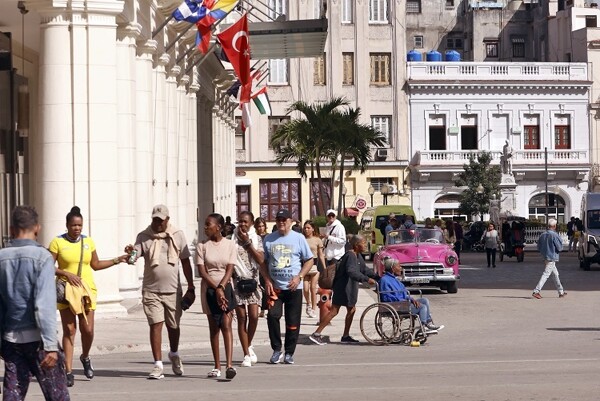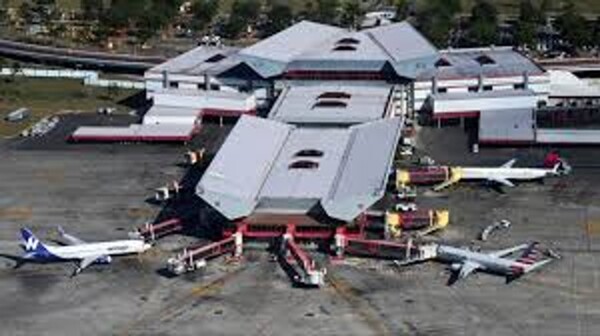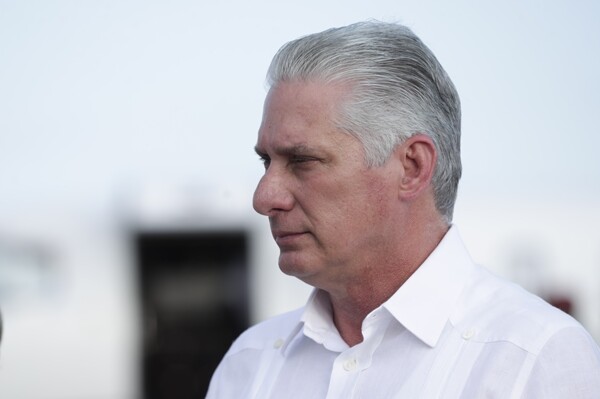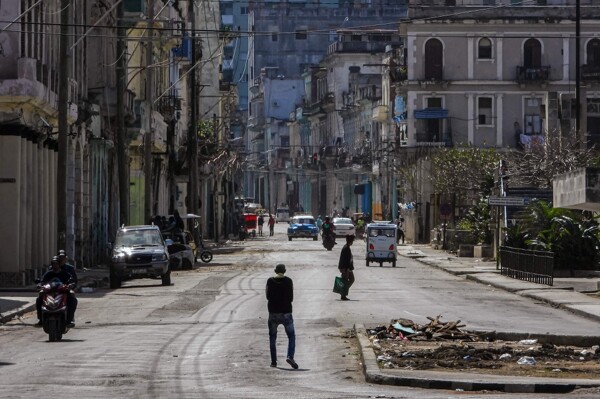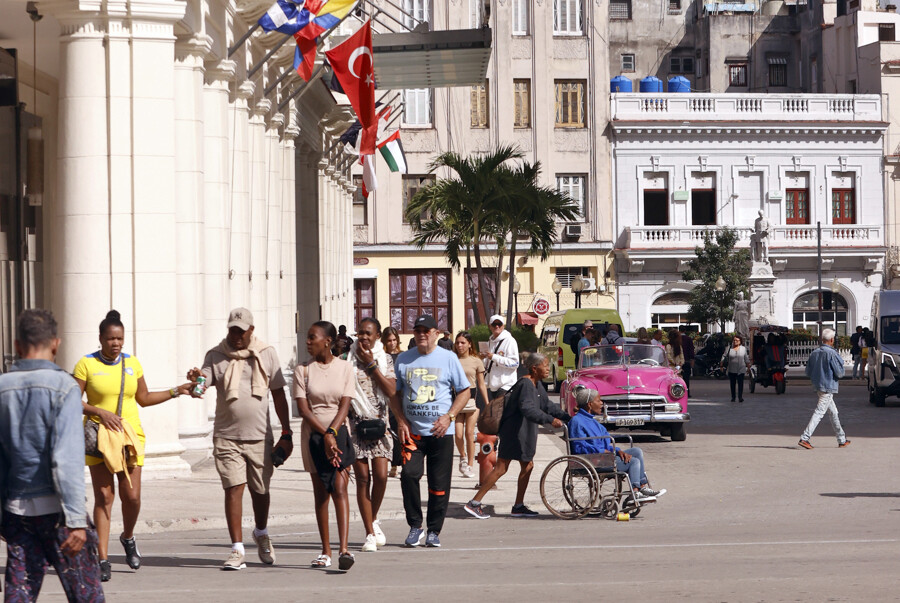
The Cuban government has begun closing some hotels on the island and relocating tourists to other facilities as part of the package of measures adopted in response to the U.S. oil siege, sources in the sector confirmed to EFE this Saturday. Vice Prime Minister Oscar Pérez-Oliva Fraga stated on Friday on state television that “a plan has been designed in tourism to reduce energy consumption, consolidate tourist facilities, and take advantage of the high season that is currently underway in our country.” The head of Foreign Trade and Foreign Investment did not specify details about this “consolidation” of the tourist infrastructure, but sources, who preferred to remain anonymous, told EFE that hotels have been closing and international tourists have been being relocated to other centers since yesterday. This mainly affects some tourist facilities located in the Varadero resort (west) and the island's northern cays. Among the main hotel chains operating in Cuba are the Spanish Meliá and Iberostar, and the Canadian Blue Diamond, among others. Tourism on the decline The Cuban tourism sector, once considered a locomotive of the economy, confirmed its crisis in 2025 by closing with its worst record of international travelers (1.8 million) since 2002, not counting the years of covid-19. The figure does not come as a surprise—in the first half, the hotel occupancy rate recorded a year-on-year drop of seven percentage points (21.5%)—but it does confirm the sharp decline in tourism in the last seven years. Canada, with 754,010 people, and Russia, with 131,882, were the two main source markets for visitors last year, according to official data, but with year-on-year drops of 12.4% and 29%, respectively. The decline began after 2018, when the island reached its historic record of tourists: 4.7 million in one year. To the sanctions were added the pandemic (which froze the sector for almost two years) and the country's serious economic and energy crisis—which affects services and the tourist experience—and the reduction of air routes. Tourism is fundamental to the Cuban government's economic recovery plans, due to its contribution to the Gross Domestic Product (GDP) and the foreign currency it generates, which usually ranks among the most important, along with professional services and remittances. Anti-crisis plan Cuba has been suffering a serious energy crisis since mid-2024 due to frequent breakdowns of its obsolete thermal power plants and the lack of foreign currency to import the necessary fuels to power distributed generation. The U.S. military operation in Caracas on January 3 meant for Havana, in addition to a blow to a key regional ally, the end of a vital energy supply for the island. Subsequently, U.S. President Donald Trump increased the pressure by signing an executive order on January 29 that threatens tariffs on countries that sell oil to the island. To face this scenario, the government has implemented an emergency plan to deal with the fuel shortage, which also includes rationing fuel sales, prioritizing remote work, and implementing semi-face-to-face classes in universities. This anti-crisis package is based on the “indications” of former President Fidel Castro during the so-called Special Period, which caused a depression for the island due to the fall of the Soviet bloc. When announcing it on Thursday, Cuban President Miguel Díaz-Canel revived the concept of “zero option,” the survival plan proposed in the nineties in the scenario of “zero oil.” This implied extreme rationing, the use of animal traction, vegetable charcoal for cooking and non-motorized transport, and food self-sufficiency.