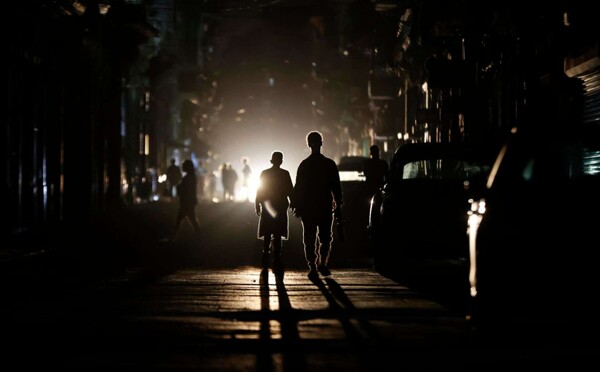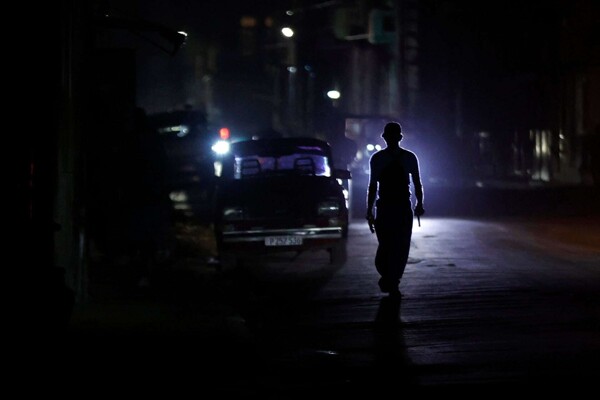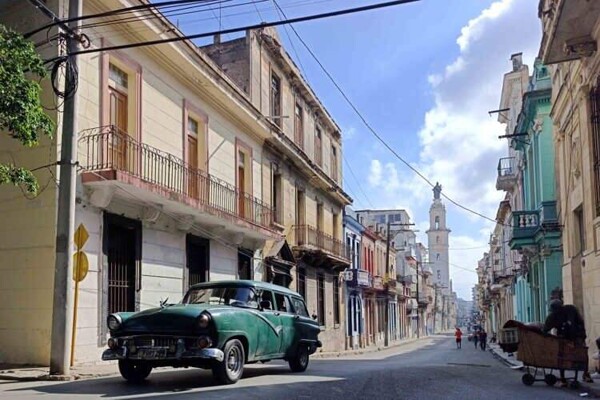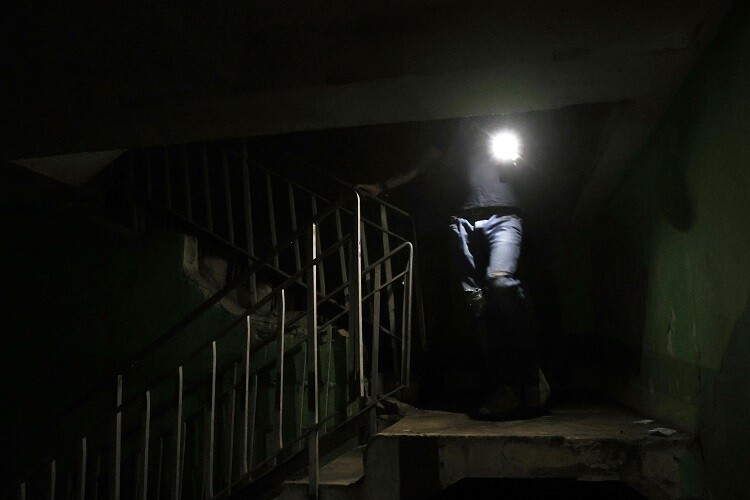
Cuba's National Electric System (SEN) has collapsed again 20 hours after its seventh total shutdown in a year and a half, with only two of the 16 thermoelectric power plants operational. This was reported on Sunday by the Ministry of Energy and Mines (Minem). After the initial steps for the gradual reconnection of the SEN, some microsystems are operating, two of which are main ones: one in the west and the other in the center of the country. Units from thermal power plants such as Cienfuegos (central south), Antonio Guiteras in Matanzas—one of the country's largest generators—and Mariel, both in the west, have also been activated, the report detailed. The Hanabanilla hydroelectric plant (center), considered 'key' for regulating frequencies and preventing relapses, had started generating energy but suffered a breakdown. Regarding this new national blackout—the second in a week—Minem executive Lázaro Guerra told state television that regardless of the ongoing investigation into its causes, the shutdown of a unit at the Nuevitas thermoelectric plant (center-east) was detected, which was followed by a 'cascading effect' that left other power plants in the country without service. He also indicated that microsystems have been activated nationwide to guarantee basic services such as hospitals, water supply, and others. The process to restore the SEN could take several days, specialists warned in relation to similar situations in the past. This requires starting to generate energy from easy-start sources—solar, hydroelectric, and generator motors—to bring electricity supply to small areas that are then interconnected. The goal is to bring sufficient energy to the thermoelectric power plants, which are the basis of electricity generation on the island, as soon as possible to achieve their startup and resume energy production. In Havana, power supply has been restored to 94 out of a total of 285 distribution circuits responsible for delivering electricity to homes, meaning that 284,500 customers currently have electricity, representing 33% in the city. In the provinces of Pinar del Río, Artemisa, and the central Villa Clara and Sancti Spíritus, as well as the eastern Holguín, Granma, Santiago de Cuba, and Guantánamo, only microsystems that supply electricity to vital centers in small areas are operational, according to the latest reports from the state-owned Unión Eléctrica. The energy situation was already critical before this new SEN collapse, with prolonged power cuts in Havana of about 15 hours daily and in the provinces reaching up to two consecutive days. Another Blackout Cuba's seventh total SEN disconnection occurred this Saturday at 18:32 local time (22:32 GMT) when, for reasons yet to be established, the SEN experienced a total disconnection. Most of the system's failures, from which the island has taken days to recover, have been associated with faults and breakdowns, mainly at the Antonio Guiteras thermoelectric plant, although natural disasters have also played a role. Cuba has been experiencing a severe energy crisis since mid-2024, with a history of blackouts that now totals seven national and as many partial due to a combination of a structural factor: a deeply obsolete electrical system and the oil blockade initiated by the United States in January. This Washington measure left Cuba's SEN almost without fuel—mainly diesel and fuel oil—and paralyzed the island's economic activity, triggering social discontent. In recent days, protests have been registered, mainly in Havana neighborhoods, and a larger demonstration in Morón (center) that ended in violence and left at least five detained.