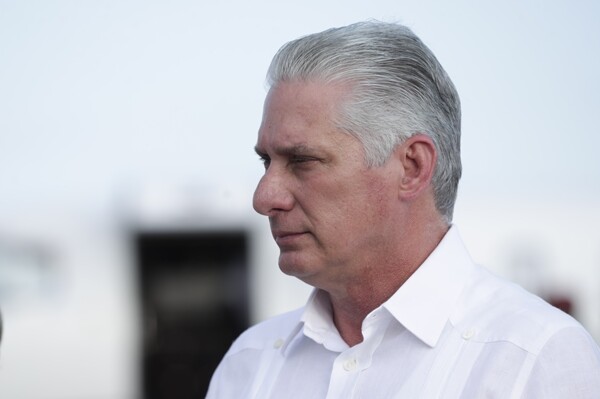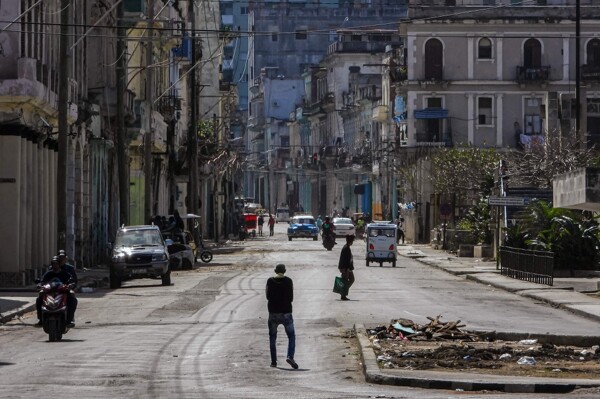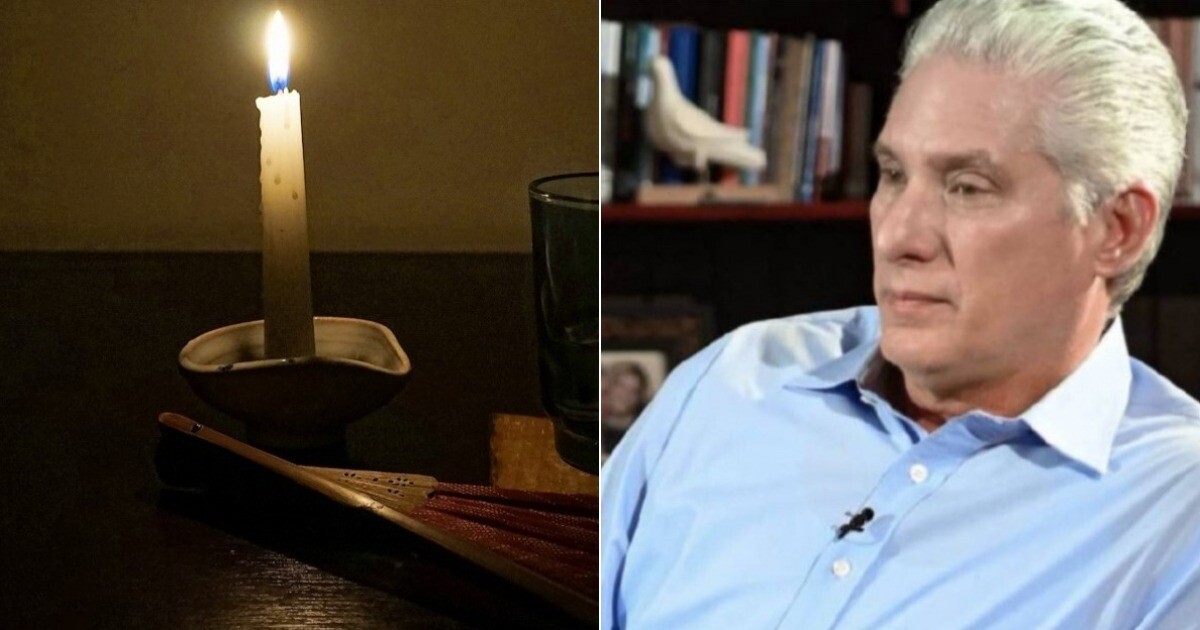
Facing a deep energy crisis and an economy on the brink, Cuban President Miguel Díaz-Canel made an unusual televised address this Thursday to acknowledge the severity of the situation and announce urgent measures due to an 'acute fuel shortage.' In this critical context, the surprising statement came from the head of state, who expressed his government's willingness to open a dialogue with the United States and President Donald Trump. However, he made it clear that any conversation must occur without external pressures or impositions. The presidential address took place amid a climate of maximum internal tension, marked by prolonged blackouts, fuel shortages, high inflation, and growing social demands. Díaz-Canel did not shy away from the diagnosis and warned that the country is going through one of its most difficult moments in recent years. In recent weeks, blackouts have affected several provinces, impacting economic activity, transportation, and essential services. 'We are going to live through difficult times,' he stated. This is compounded by the deterioration of purchasing power and the growing discontent that is expressed in both direct demands and on social media, where rumors have circulated about even tougher announcements for the population. The Cuban government announced it is working on an emergency plan to prioritize the use of available fuel, guarantee basic services, and prevent a total collapse of the energy system. This interest, still diffuse, occurs in parallel with a strategy of maximum economic pressure that has left Cuba with severe difficulties in sustaining its electrical system and productive apparatus. The presidential message was also marked by concern over the social climate. The eventual dialogue with Trump, still uncertain, appears less as an ideological option and more as a political and economic urgency to avoid an even more critical scenario. This openness contrasts with the regime's usual tone and reflects the magnitude of the crisis the island is facing. From Washington, President Donald Trump has recently made known his interest in exploring some kind of understanding with the Cuban leadership, without publicly detailing the terms or potential conditions. 'What right does a nation have to block fuel to another country?' he asked publicly, while stating that Cuba 'is willing to dialogue,' as long as that dialogue respects national sovereignty and is not conditioned by threats or sanctions. However, even from within the ruling party, it is admitted that the measures will have a limited impact if the flow of oil is not restored in the short term. Díaz-Canel's appearance thus presented an eloquent image: a government cornered by the crisis, with a country on the brink of collapse, which for the first time in a long time hints at the need to build bridges with its historic adversary. 'These, in particular, are very difficult,' he acknowledged, in a message that sought to prepare the population for new restrictions. The head of state attributed much of the energy collapse to the intensification of economic and political pressure from the United States, which in recent weeks has advanced with measures and warnings aimed at blocking the oil supply to the island, even pressuring third countries that were exporting crude to Cuba. The situation worsened after the sharp drop in shipments from Venezuela, a key partner, following the US offensive launched in early January against Caracas. In that framework, Díaz-Canel launched a direct message to Washington.