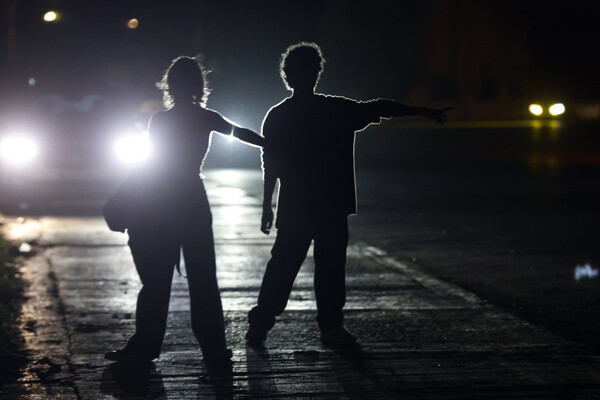
In the streets, the diagnosis is whispered in low voices: the regime is falling to pieces and Cubans dream of leaving for a country where they can work, eat, have electricity and freedom. The energy crisis has deepened in recent weeks due to a combination of crude oil scarcity, lack of foreign currency, and a decaying infrastructure. The sector entered 2025 with depressed figures: around 1.8 million visitors, far from the nearly 5 million recorded in 2018, and now faces another blow from the combination of fuel shortages, service deterioration, a drop in air connectivity, and health outbreaks that have also complicated demand in recent months. On the political front, the regime reinforces its historical reflex: repression and social control. The social consequence is direct: the dream of escape grows towards countries where work pays off, food exists, electricity is stable, and freedom is not a forbidden promise. In Argentina, in a decision that also set a limit to delaying tactics in sensitive cases, the Federal Chamber of Criminal Cassation ratified that former President Cristina Fernández de Kirchner must keep her electronic ankle bracelet and the restrictions of her house arrest. That scheme has been exhausted: the decline of Venezuela's capacity and Washington's new 'maximum pressure' strategy on oil supplies to the island have narrowed the Cuban government's operational margin, which no longer has a stable external lifeline. In this context, the 'package of measures' announced by Díaz-Canel includes decisions that directly impact daily life. The electricity crisis is not a one-off phenomenon: in several provinces, blackouts of up to 48 hours are reported, and in the capital, there are recurrent interruptions, with a direct impact on food, water, transportation, and commercial activity. Diplomatic tension mixes with the internal picture of weariness: since 2021, nearly two million Cubans would have left the island, mostly young people, in a diaspora that reflects the collapse of expectations and the search for basic living conditions. The regime tries to sustain the narrative of 'resistance' and blame the US blockade, but the material picture is undeniable: there is a lack of fuel, an excess of restrictions, and the cost falls on the common citizen. Under maximum pressure from the United States and with an energy front on the brink of collapse, Havana has resorted to extreme restrictions on fuel, transportation, and state activity, while reinforcing internal control for fear of a new outbreak like the one of July 11, 2021. The sale of fuel has become more restricted, and progress has been made towards schemes where a significant portion of gasoline is sold in foreign currency—mainly dollars—through platforms with individual quotas, a direct blow to a population that earns in devalued Cuban pesos and depends on remittances and an increasingly widespread informal economy to survive. The deterioration was symbolized this week by a fire at the Ñico López refinery in Havana, controlled without victims according to the official report, but interpreted as another sign of the wear and tear of critical facilities in a country experiencing prolonged blackouts and persistent shortages. Experts cited by the international press describe that the island needs on the order of 100,000 to 150,000 barrels per day to sustain the electrical system and economic activity, but its own production is only around 40,000, a gap that for years was covered by preferential shipments from Venezuela and, to a lesser extent, by punctual contributions from other partners. Sala IV rejected the defense's requests to remove the device and relax the regime, despite procedural tricks to the contrary, and left the control scheme over visits and compliance conditions in effect. Buenos Aires-February 14, 2026-Total News Agency-TNA. The Cuban regime of Miguel Díaz-Canel has once again set off all alarms with a package of emergency measures that, far from offering an exit, exposes the fragility of the communist system and accelerates the social sense of collapse. The return of the 'Special Period' imagery is no longer a cultural metaphor but a daily description: endless lines, collapsed transportation, empty markets, and a shrinking economy, while the State prioritizes preserving political control. In parallel, the presence of the head of the US mission, Mike Hammer, on tours of the interior—with meetings with social leaders and ordinary citizens—triggered acts of harassment organized by the state apparatus, which in turn prompted public warnings from Washington about possible sanctions against those who promote such actions. Among the measures are the reduction of the work week in the state sector to four days, the reinforcement of telework, cuts to the school calendar, and restrictions on interprovincial transportation to reduce energy consumption. The leadership fears that the adjustment and blackouts will multiply protests and, for this reason, intensifies surveillance over activists, communicators, and independent networks. In recent weeks, the government ordered temporary closures of hotels and relocations of tourists to other establishments, while airlines evaluated reductions in frequencies and cancellations due to the impossibility of guaranteeing fuel for operations. Technical reports cited by energy analysts maintain that a significant part of the thermoelectric park is out of service due to lack of maintenance and spare parts, leaving the island with increasingly narrow margins to stabilize generation. Tourism—the main source of foreign exchange along with remittances and professional services—has also begun to feel the impact strongly.

Cuba on the Brink: Regime Declares Emergency Measures
Amid a deep energy crisis, economic downturn, and mass emigration, the Cuban government, under US pressure, implements strict austerity measures, including a shorter work week and fuel restrictions, exacerbating the social sense of collapse among the population.