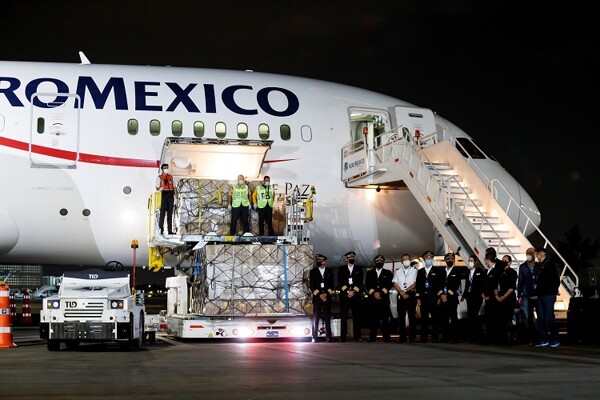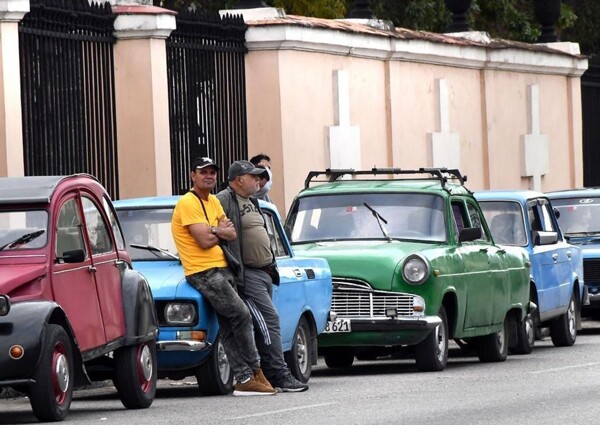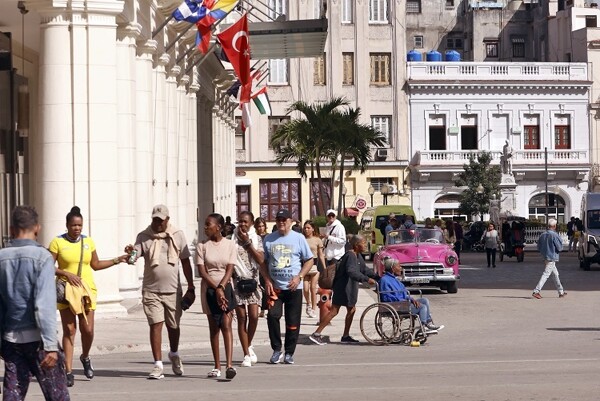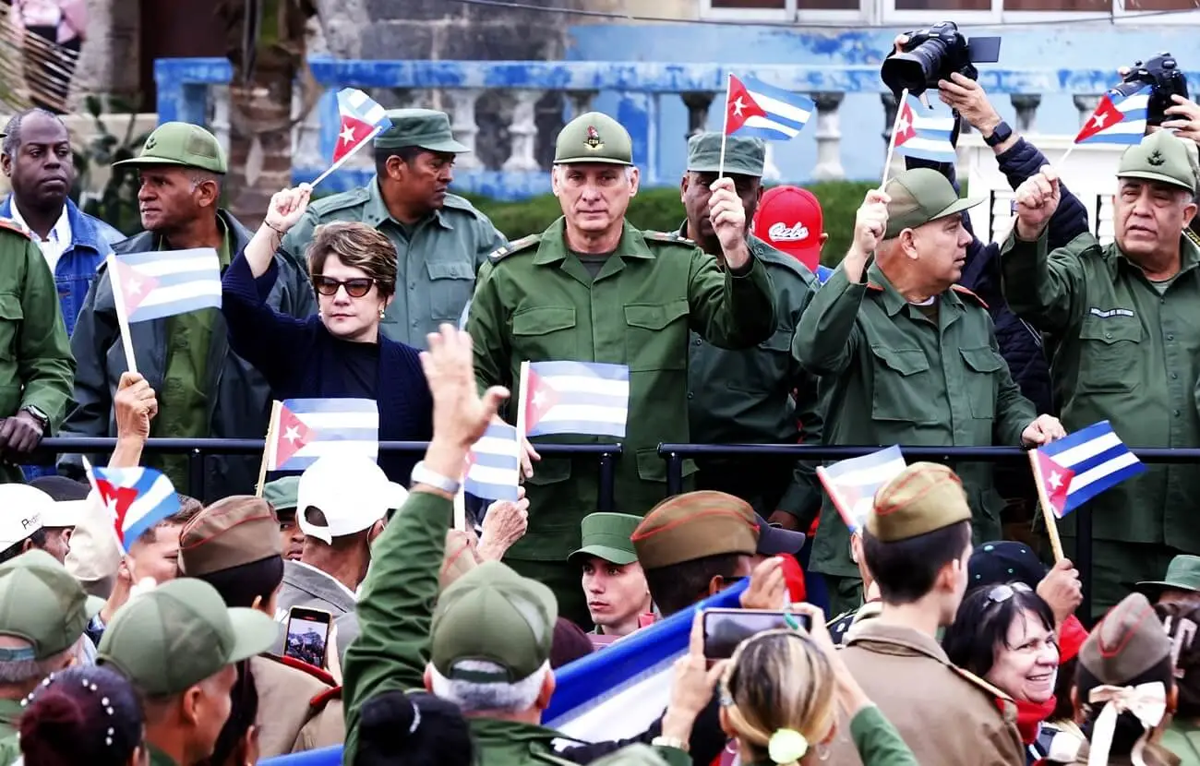
Cuba is immersed in its worst energy, economic, and social crisis since the so-called 'Special Period' of the 1990s, with a growing risk of state disintegration and public discontent due to fuel shortages, the collapse of basic services, and the government's inability to reverse the downward spiral. The island today faces an extreme scarcity of oil and derivatives, with a lack of fuel for transportation, electricity generation, and public utilities. This situation has translated into widespread blackouts, high levels of uncertainty, and the adoption of emergency measures by the Executive. The deficit of energy inputs has even led Cuba to offer kerosene refueling to international airlines at at least nine national airports until March 11, a decision that directly impacts tourism and air transport. The current situation is largely the result of the interruption of oil supplies that historically came from Venezuela and, to a lesser extent, Mexico, following pressure from the administration of U.S. President Donald Trump, who imposed sanctions, tariffs, and blockades on countries attempting to maintain the flow of hydrocarbons to the island. The lack of deep political and economic reforms, combined with severe external pressure, creates a scenario in which institutional wear continues to worsen, with unpredictable consequences for the island's stability and the survival of the current political model. The Cuban energy crisis has already led to drastic decisions in the international aviation sector, such as the suspension of flights by major airlines—including Air Canada—and the rerouting of flights with mandatory stopovers for refueling outside the national space, reflecting a problem whose effects transcend borders and affect global connectivity with the island. Meanwhile, the Executive insists on blaming external sanctions—especially from the United States—for the current difficulties and accuses foreign powers of attempting to destabilize the Caribbean nation, in an official discourse that seeks to reinforce the narrative of resistance against what it calls 'external aggression.' In this convoluted social and political context, the Cuban population faces a profound deterioration in their living conditions, marked by the lack of basic services, rising inflation, and uncertainty about the island's immediate future, which is caught between extending an exhausted model and the pressure for transformations that could alleviate the multidimensional crisis it is going through. At the same time, U.S. energy isolation policies have forced other supplier nations to reduce or cease their shipments, exacerbating the scarcity. In response, the government of Miguel Díaz-Canel has implemented an emergency plan that prioritizes fuel use for essential services and foreign exchange-generating sectors, such as tourism. It also includes changes in work and education modalities, as well as incentives to promote alternative energy sources, such as solar panels, in an attempt to mitigate the shortage. However, these measures come in a context where the electrical grids have accumulated years of deterioration, while domestic fuel production is insufficient to meet national demand. Energy supply restrictions have already had severe effects on the daily lives of the population: blackouts lasting more than twelve hours a day, shortages of domestic gas, a drastic reduction in public transportation, and difficulties accessing basic, food, and health services, aggravating a humanitarian crisis that concerns international organizations. U.S. pressure, in addition to economic measures, includes the threat of imposing tariffs on any country that continues to export oil to Cuba, which has forced some countries to halt their shipments or reconsider their energy cooperation out of fear of sanctions. In this framework, the UN and Mexico have expressed interest in collaborating to prevent a humanitarian collapse, although Cuba has shown reluctance to adopt significant structural changes that may be demanded as a condition for assistance. The internal fracture of the regime is also evident in its power structure: conservative military sectors retain control of strategic state functions and the economy, which maintains a formal cohesion of the system but at the same time limits its ability to adapt to the crisis.