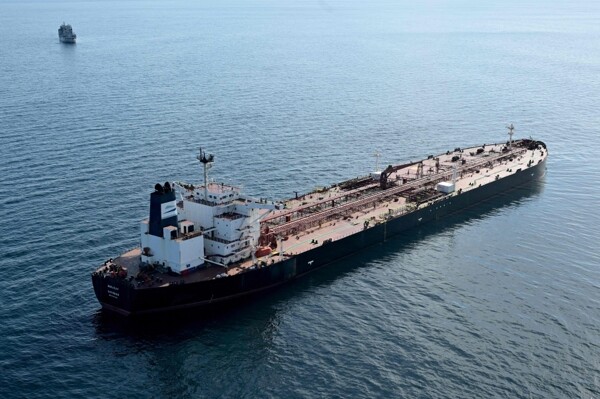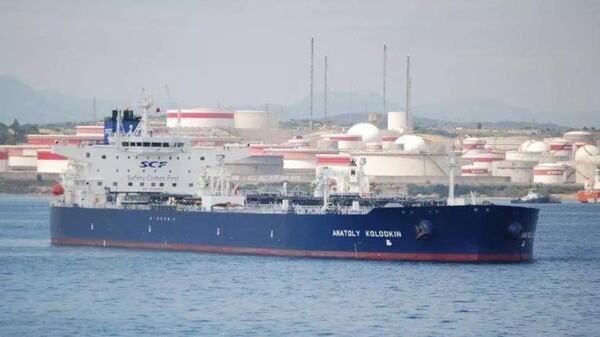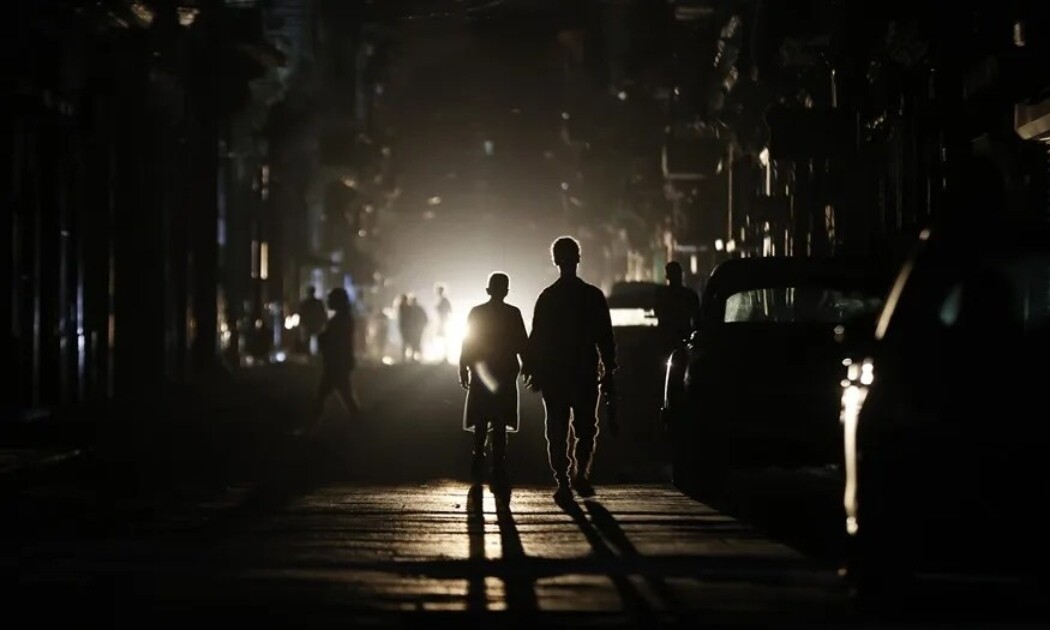
Cuba will suffer prolonged blackouts throughout this Saturday and expects that the largest supply cut, at peak demand time, will leave 52% of the island without electricity, according to data from the state-owned Unión Eléctrica (UNE) compiled by EFE. The Caribbean country has been experiencing a serious energy crisis since mid-2024, which was exacerbated by the oil siege imposed by the U.S. government since January. The measures taken by the U.S. government have been described by the United Nations as 'actions that violate human rights.' UNE, attached to the Cuban Ministry of Energy and Mines, forecasts for the peak demand period of this day, in the afternoon-evening, a generation capacity of 1,460 megawatts (MW) and a maximum demand of 3,000 MW. The deficit—the difference between supply and demand—will reach 1,540 MW, and the estimated impact—what will actually be disconnected to prevent chaotic blackouts—will be 1,570 MW, reported UNE. The Cuban energy crisis is explained by the combination of a structural factor—a deeply obsolete energy system—and a circumstantial element: the U.S. oil blockade. The Cuban government has denounced the impact of U.S. sanctions and accuses Washington of 'energetic suffocation.' On this day, six of the country's 16 thermoelectric generation units are out of service due to breakdowns or maintenance work. These problems are not related to the pressure measure imposed by Washington since January. Another 40% of the energy mix was handled by generation engines, but this energy source, which requires diesel and fuel oil, has been shut down since January due to the U.S. blockade. Over the last year and a half, Cuba has recorded seven total disconnections of the National Electric Power System (SEN), the last two in March. Cuba received the Russian oil tanker Anatoli Kolodkin on Tuesday, carrying 730,000 barrels of crude oil—equivalent to 100,000 tons—the first fuel shipment to have arrived on the island in the last three months. Specialists from the state-owned Cuba Petróleo explained that the crude oil refining process will take between 15 and 20 days, and subsequently, it will take up to ten days to distribute the fuels obtained from the Russian crude. The distribution will be for liquefied gas service, diesel for distributed electricity generation, and essential economic activities. Additionally, fuel oil will be produced for power plants and gasoline to 'momentarily' alleviate the current situation, Cuban authorities indicated. The arrival of the Anatoli Kolodkin represents a slight respite amid the energy crisis on the Caribbean island, which requires about 100,000 barrels of oil daily, of which it only obtains 40,000 from its local production.