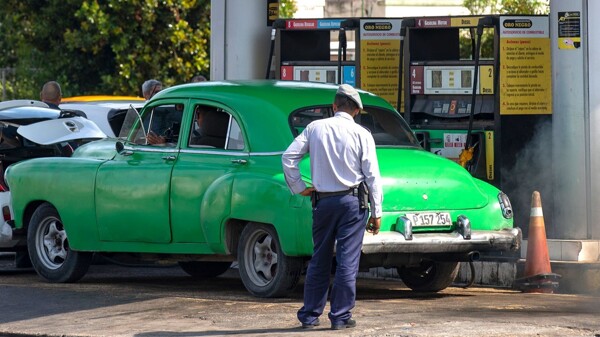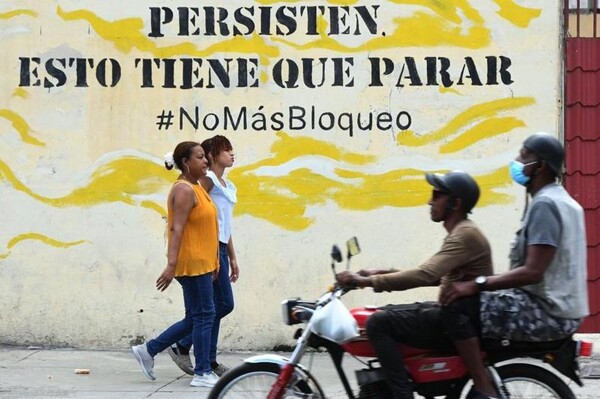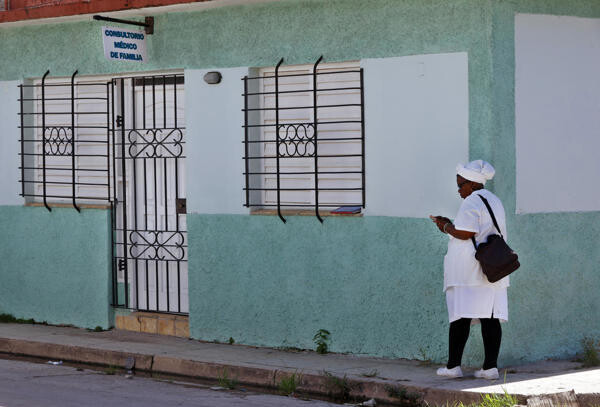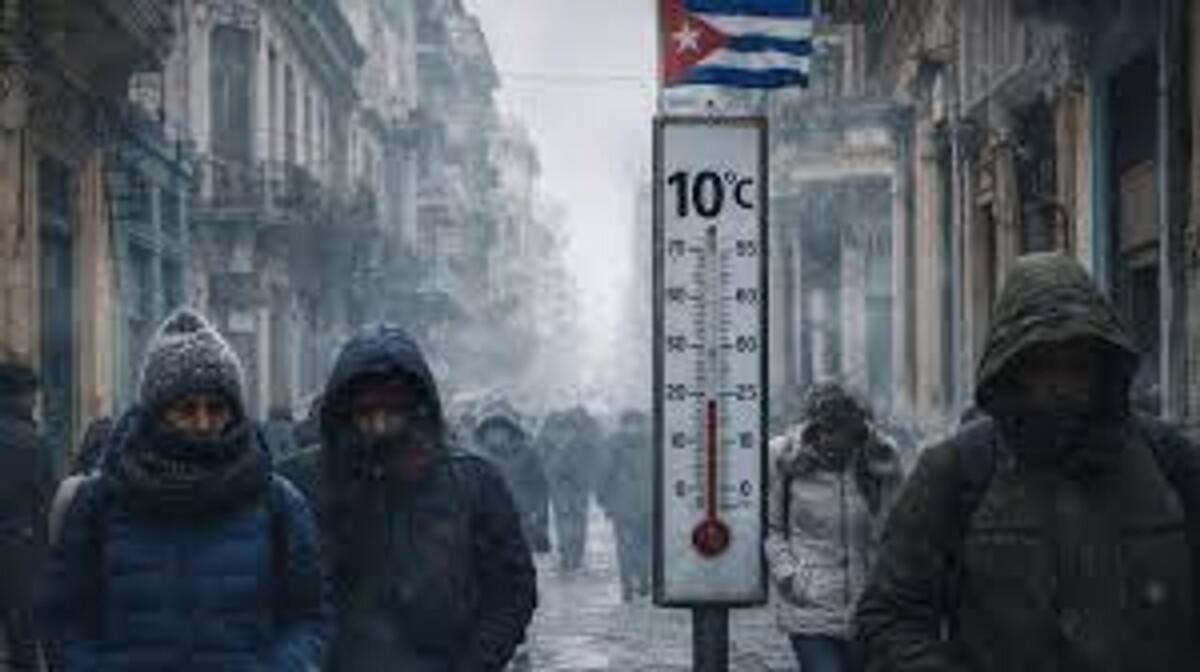
The low temperatures recorded in recent days in Cuba have altered daily life in several provinces of the Caribbean country. The intensity and persistence of the unusual cold add to an already complex scenario due to energy and fuel limitations derived from the US blockade. The drop in temperature occurs against the backdrop of these energy limitations, after the President of the United States, Donald Trump, signed an executive order to impose tariffs on products from countries that supply oil to Cuba. The lack of stable electricity prevents the continuous use of electrical equipment, while the scarcity of gas or fuel restricts alternatives for heating water or preparing food on flexible schedules. This cold wave is one of the most intense weather events in the island's recent history, after zero degrees Celsius was recorded at the Indio Hatuey weather station in Matanzas province—a value unprecedented since official measurements began. The thermal drop transformed the social dynamic in several Cuban provinces, such as the case of the municipality of Cerro in Havana, as learned by the Argentine News Agency. The same happened in Santiago de Cuba, the island's second-largest city, where high temperatures are normally the norm, but the low thermal sensation surprised many of its inhabitants. This Tuesday, the thermometer in the area reached freezing point at 7:00 local time, i.e., zero degrees Celsius, surpassing the record set in the small town of Bainoa, Mayabeque province, in February 1996, when 0.6 degrees Celsius was reported, according to Cuba's Institute of Meteorology (Insmet). The agency reported that 32 weather stations recorded values equal to or below 10 degrees Celsius, an unusual behavior for a tropical country, and the presence of frost on crops in Indio Hatuey was confirmed—an exceptional phenomenon for the island.