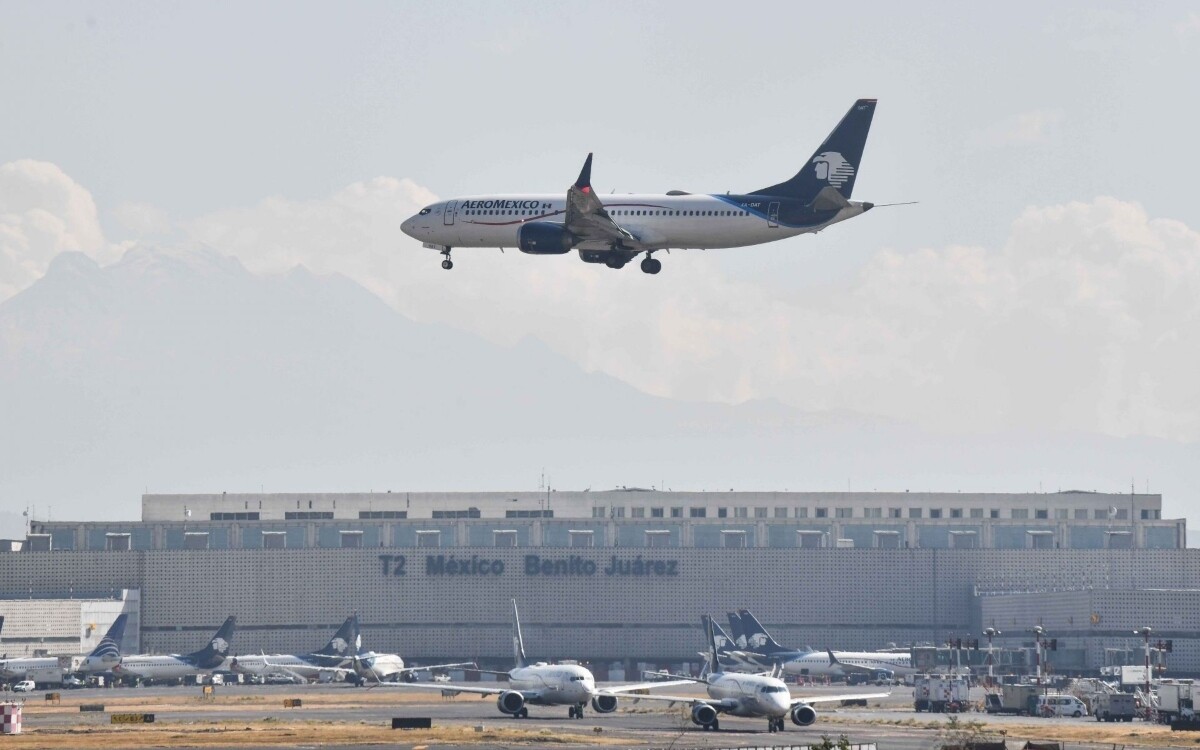
Cuba, already in a severe economic and energy crisis, is facing a new challenge. As reported by EFE, Cuban authorities informed airlines last Sunday through the NOTAM (Notice to Airmen) service, and the companies, mainly American, Spanish, Mexican, and Panamanian, began taking emergency measures. International airlines are modifying their flights to Cuba. Spanish airlines Air Europa and Iberia, with daily routes to Havana, Cuba, reported that starting now, their flights from the island to Madrid will include a technical stop for refueling in the Dominican Republic. Air Canada, Canada's main airline, announced it will immediately suspend its services to Cuba due to a lack of fuel. The Cuban authorities' NOTAM notice affected Cuba's nine international airports and was initially valid for one month, from February 10 to March 11. The entire tourism sector, essential to the Cuban economy, is being affected by the U.S. oil siege, which first ended shipments from Venezuela (January 3) and then threatened tariffs on countries supplying crude oil to the island (January 29). Mexico, one of the main crude oil suppliers to Cuba in 2025, chose to suspend oil shipments and send 814 tons of humanitarian aid to the island. The two military ships sent from Mexico with food and hygiene products are scheduled to dock in Cuba this week. Mexican airline Volaris indicated on Tuesday that Cuba is part of its international routes and emphasized that it operates flights within Mexico, to the United States, Central, and South America. The company's stance comes amid the crisis caused by the lack of jet fuel at Cuban airports, a scenario in which other Mexican airlines flying to that country stated on Monday that they were operating normally and maintaining their travel to the island. This occurs after the Cuban government warned international airlines operating on the island on Sunday that, starting this Monday, the country would run out of aviation fuel due to the U.S. oil siege. The airline operates in Mexico with international destinations to the United States, Central, and South America. It currently operates 254 routes, 151 of which are domestic and 103 international, and are served with a fleet of 155 aircraft. Recently, as part of its air connectivity strategy, Volaris announced 33 new domestic routes and new destinations in the United States, to and from the cities of Guadalajara, Puebla, Querétaro, Aguascalientes, and San Luis Potosí. Other Mexican airlines maintain flights to Cuba. Despite the lack of aviation fuel at Cuban airports, other Mexican airlines flying to that country are operating normally and maintaining their travel to the island, indicated on Monday Eugenio Martínez Enríquez, Cuba's ambassador to Mexico. "Flights to Cuba from Mexico are not being suspended. We have confirmed that all airlines that have connections with Cuba are maintaining their frequencies," he indicated in a message on the social network X. Viva Aerobus airline reported that its flights to Cuba will continue as usual and that it will load sufficient fuel from Mexico for round-trip travel. "Viva's aircraft will be supplied with enough fuel for the round trip, so we reiterate that operations continue as normal," the company stated in a statement. It explained that its aircraft will refuel with "sufficient fuel" in Mexico to operate flights from the new Mexico City Airport (AIFA), Monterrey, Mérida, and Cancún. Mexican airlines that fly from the country to Cuba are Aeroméxico, VivaAerobus, and Volaris. Cuba ran out of aviation fuel, further evidence of the serious effects of the U.S. oil stranglehold.