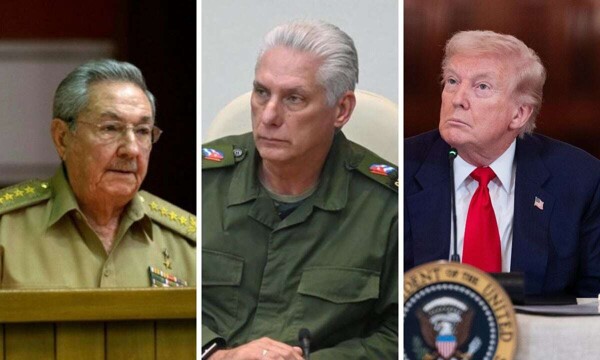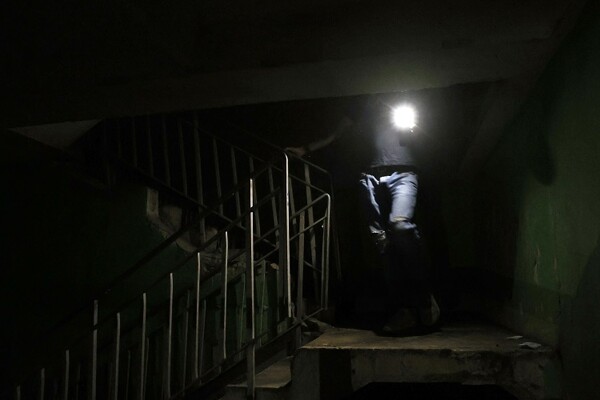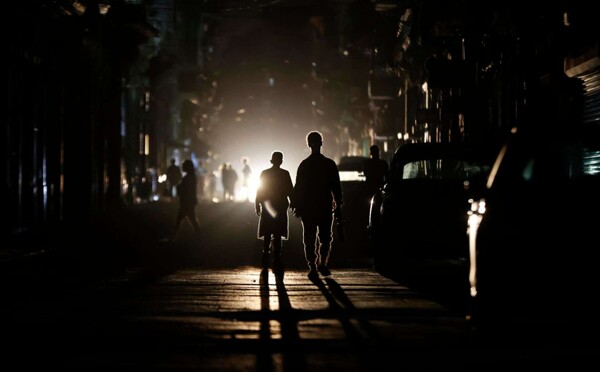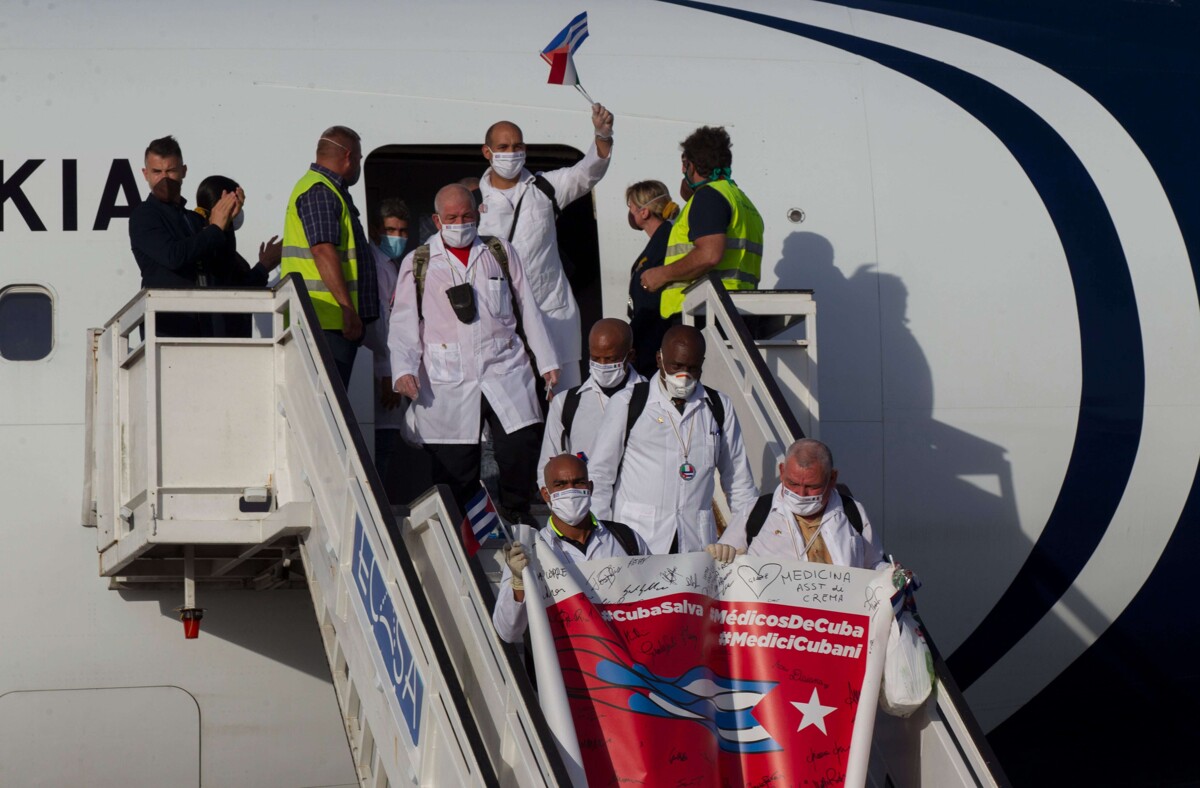
Senator Marco Rubio stated that the program constitutes a system of forced labor and that the Cuban government uses the deployment of medical personnel as a facade to cover up intelligence activities in recipient countries. Under fierce pressure and blackmail, the U.S. government is acting in Latin America and the Caribbean to ensure that the Cuban Medical Brigades leave all countries in the region where they are located. They not only intend to strike the humanitarian and solidarity program created by Cuba but also to directly hit the national economy. This rhetoric has influenced recent regional policy, causing at least four nations to announce this year the end of their collaboration with Cuban doctors: Honduras, Guatemala, Jamaica, and Guyana. Despite these diplomatic defections, the presence of specialists persists in other key points. The diplomat pointed out that these measures punish the most vulnerable sectors of the region, who received uninterrupted Cuban medical care for decades. From the U.S. perspective, Secretary of State Marco Rubio had previously discredited the nature of these brigades. The Cuban government accused the United States of exerting 'fierce pressure and blackmail' with the aim of forcing various nations in Latin America and the Caribbean to break ties with the 'Cuban Medical Brigades.' The confrontation in the health sector is taking place in a climate of growing hostility between the two nations. Cuba directly blames the economic embargo in effect since 1960 and recent energy restrictions for the social crisis the island is facing. This health program, which began operations in the 1960s, represents one of the most emblematic pillars of the island's foreign policy and regional cooperation. Cuban Foreign Minister Bruno Rodriguez used his official account on social network X to denounce that U.S. authorities not only intend to sabotage the deployment of healthcare professionals, but also to directly hit the national economy. According to Rodriguez, Washington's strategy seeks to 'continue cutting off essential sources of income' for the sustainability of the Caribbean country. Meanwhile, President Miguel Díaz-Canel stated in a recent interview that although his administration is not seeking a military conflict with the United States and bets on dialogue, the Cuban people remain determined to defend the sovereignty of the revolutionary system. Cuba's Ministry of Public Health reported that currently, about three thousand doctors are providing services in Mexico, covering 29 of the country's 32 states. For Havana, these figures validate the social importance of the project, which they define as an instrument of humanitarian solidarity and a legitimate source of economic resources. The Minister of Foreign Relations, @BrunoRguezP, received this morning his counterpart from Panama, H.E.