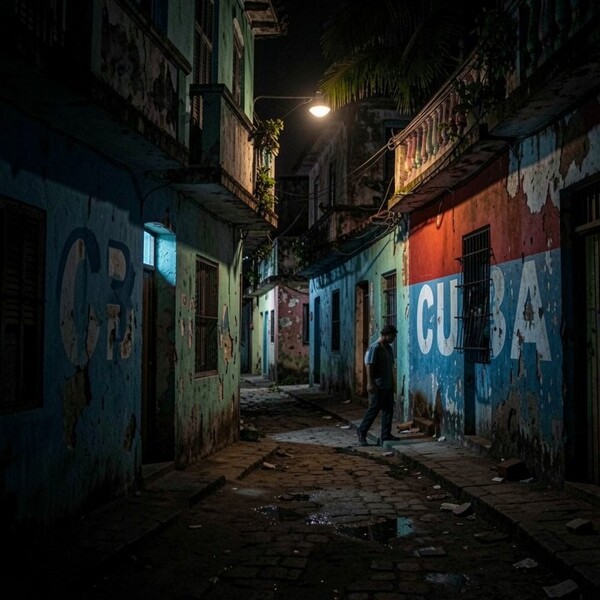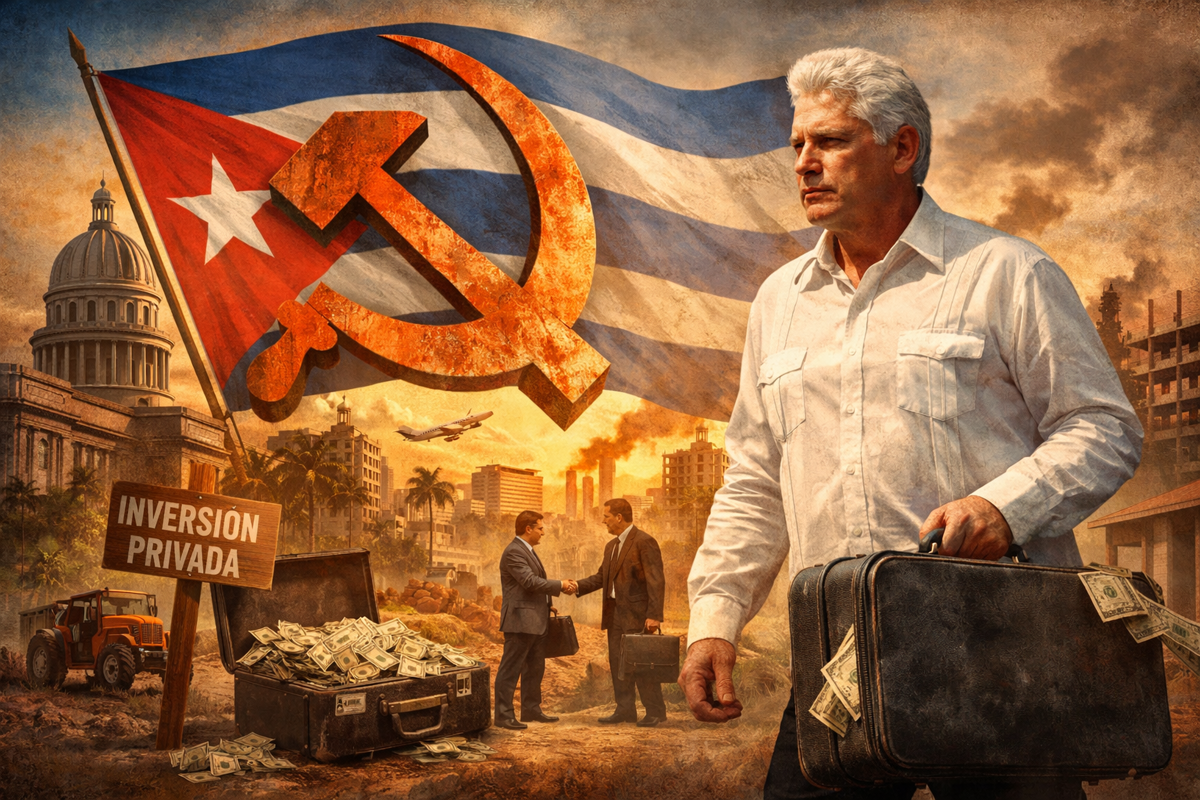
The Cuban regime has announced a high-impact economic opening, for the first time allowing Cubans residing abroad without effective residency on the island to invest and own private companies within the country, partner with Cuban economic actors, and open foreign currency accounts in national banks. Even international reports highlight that the government seeks to capture resources from a diaspora that far exceeds the million people who emigrated since 2021, but without yet offering full guarantees on legal security, profit repatriation, or deep institutional changes. In political terms, the decision also implies a silent admission of the failure of the closed model that Havana defended for decades. And although it is still premature to measure whether this opening will become a true mutation of the system or a temporary emergency valve, the message is clear: the Cuban dictatorship was forced to seek in exile the capital that its own model was unable to generate. In this context, the opening to the diaspora appears less as an ideological conviction and more as a survival maneuver for the regime to attract fresh capital towards sectors such as agriculture, infrastructure, tourism, and finance. The comparison with the Soviet perestroika arises precisely from this combination of limited economic opening and preservation of political control. In recent days, the island suffered another national power grid collapse affecting millions of people, while the government tries to restore service amidst increasing pressure from the United States on oil flows to the country. The Castro regime resolved to open a gate that it had kept closed for years for ideological reasons. However, the real scope of the reform still faces severe limits: US sanctions continue to hinder operations with Cuba, and analysts cited by the international press warned that without deeper reforms and clear guarantees for investors, the new scheme could remain a partial opening, useful for buying time, but insufficient to reverse the island's structural collapse. The political signal, in any case, has already been given. It is also enabled to open foreign currency accounts and participate in financial services, in a decision that unprecedentedly expands the margin for capital coming from abroad. The package of measures was officially presented by Vice Prime Minister Oscar Pérez-Oliva Fragay, marking one of the most significant turns of Castroism towards its diaspora, historically treated for decades as a hostile political actor. He did so amidst blackouts, shortages, external pressure, and exploratory negotiations with Washington.